Avenues & drives
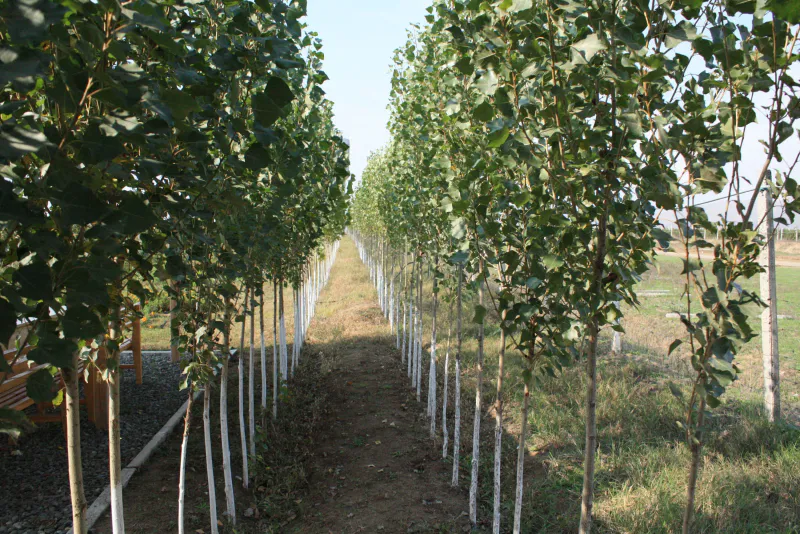
Matched trees planted in lines along a drive or ride. Matching matters: we choose stock of the same size and form so the avenue reads as one from day one.
Species Lime, hornbeam, beech, oak
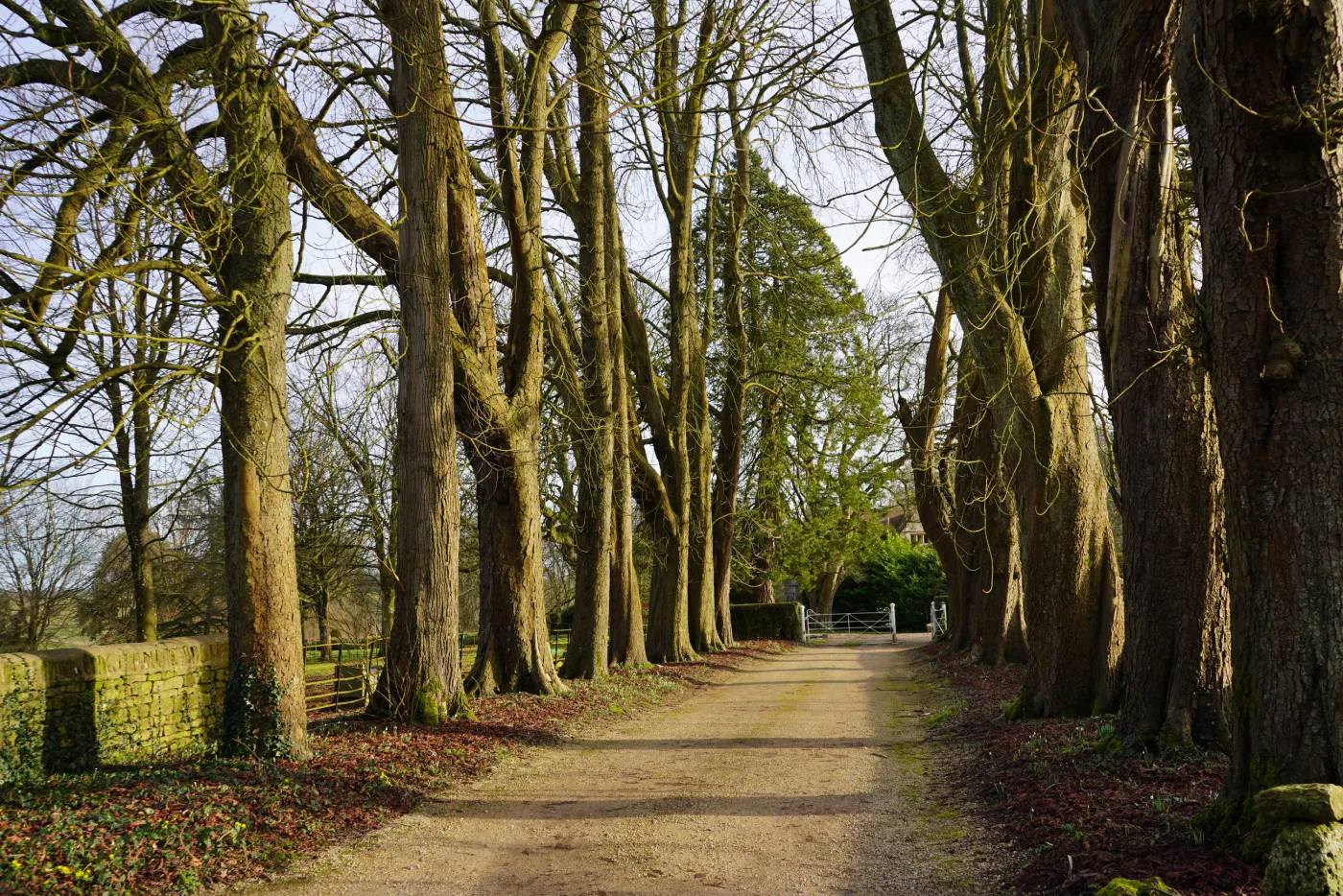
Mature tree planting · Harrogate
Semi-mature trees, avenues, pleached screens and instant hedging, planted while dormant, anchored underground and watered through their first summer.
A sapling takes thirty years to look like anything. Most of our clients would rather not wait, so we plant trees that arrive already grown: four to eight metres tall, from specialist UK nurseries.
Planting a big tree is closer to a building job than gardening. It needs access for the lorry and machinery, a pit dug and improved for the root ball, anchoring that holds it through the first winter's storms, and water through the first summer. That's the work we're known for.
Planting schemes
Matched trees planted in lines along a drive or ride. Matching matters: we choose stock of the same size and form so the avenue reads as one from day one.
Species Lime, hornbeam, beech, oak
Pleached trees give a hedge on stilts: a screen at first-floor height that blocks overlooking windows while leaving the garden open underneath.
Species Pleached hornbeam, evergreen oak, laurel
Hedging grown in troughs at the nursery, delivered in metre lengths at full height. Planted in a day, it looks years old immediately.
Species Yew, beech, hornbeam
A single statement tree for a lawn, a courtyard or the end of a view, chosen for its shape and its colour through the year.
Species Field maple, birch, copper beech
Sizes
Large trees are sold by girth: the trunk's circumference one metre above the ground. Height varies by species, but as a rough guide:
| Girth | Typical height | Good for |
|---|---|---|
| 12–14 cm | 3.5–4.5 m | Hedgerow trees, larger schemes on a budget |
| 20–25 cm | 5–6 m | Avenues and screening |
| 30–35 cm | 6–7 m | Instant impact, specimen trees |
| 40 cm + | 7–8 m + | Statement trees where access allows |
How we plant
We check access for the lorry and machinery, the soil, drainage, buried services and how close the trees will be to buildings.
We source from specialist UK nurseries and match trees for size and form, which matters most in an avenue.
Pits are dug wider than they are deep, with compacted ground broken up so roots can spread. On clay we make sure the pit won't hold water.
The tree goes in at the right depth and is held with underground guying fixed to the root ball, so there are no stakes or straps to look at.
Each tree gets an irrigation pipe at the root ball and a mulch ring to hold moisture and keep the grass back.
We water the trees through their first summer, because that's when newly planted trees fail.
When to book
Big trees go in while they're dormant, from October to March. Book a survey in late summer or early autumn to plant the following winter.
FAQs
Specialist nurseries grow semi-mature trees up to eight metres or more. The right size depends on access for the lorry and machinery, and on the species. We'll advise at the site visit.
Root-balled trees go in from October to March while they're dormant; bare-root stock from November to March. Container-grown trees can go in most of the year with careful watering.
They need anchoring, but not stakes you can see. We use underground guying fixed to the root ball, which holds the tree firm without spoiling the look.
Water, mostly in their first summer, which is when new trees fail. We fit an irrigation pipe at the root ball of each tree and water them through their first summer.
Yes. Pleached trees, instant hedging and evergreens give screening from day one. We'll suggest species that suit the space and the soil.
We'll look at the site, the soil and the access, and suggest what will thrive there. Book over the summer to plant this winter.